



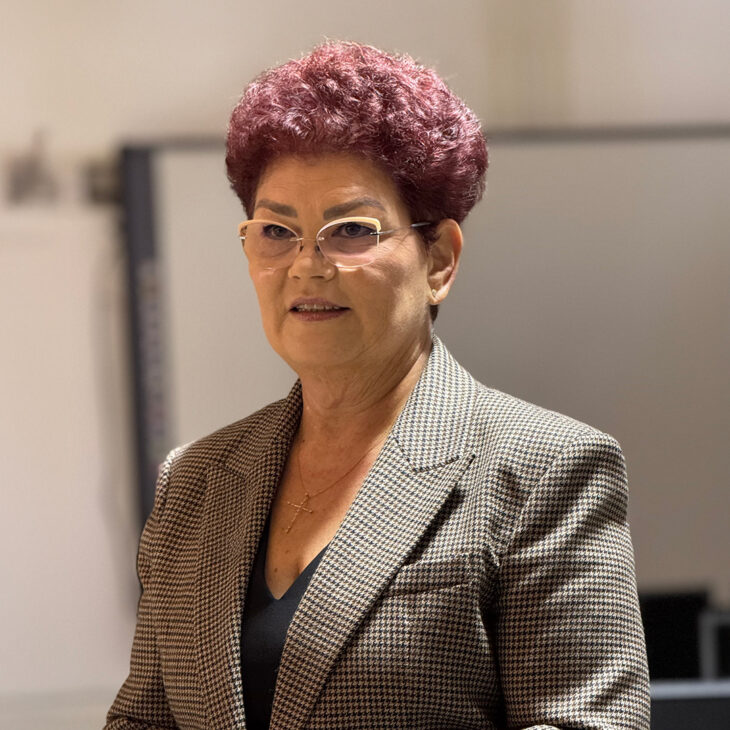

Author: Ariana-Oana Bucur
The Rising Trend of Digital Abuse Among Children and Adolescents
The upward trend of digital abuse among children and adolescents has become one of the most serious challenges facing contemporary Romanian society. Excessive use of social media platforms, unrestricted internet browsing, and a growing appetite for gaming are generating increasingly visible effects on children’s well-being: declining self-esteem, emotional imbalances, anxiety, difficulties in social interaction, and mental fatigue. Ultimately, we are talking about the physical, emotional, and mental health of the generation that will shape Romania’s future.
The figures are alarming. Over 22,000 children and adolescents in Romania are registered as having mental health disorders, according to the National Institute of Public Health—a warning signal that can no longer be ignored. Romanian teenagers spend between 8 and 12 hours per day in front of screens, largely absorbed by social media. Moreover, a 2025 report by the World Health Organization, covering 44 countries, places Romania at a rate of 22% of adolescents engaging in excessive screen time—double the global average of 11%. These data paint a picture of a genuine mental health crisis among Romanian children, deeply rooted in unsupervised digital consumption.
A Systemic Response Is Needed
In this context, the Committee for Education of the Chamber of Deputies held today its third debate on “Protecting Minors in the Online Environment,” bringing together representatives from the Government of Romania, the Ministry of Education and Research, the National Center for Curriculum and Evaluation, the Ministry of Health, the Ministry of Labor, Family, Youth and Social Solidarity, the National Audiovisual Council, the Romanian Police – School Safety Division, the Authority for the Digitalization of Romania, ANCOM, Microsoft, Google, as well as representatives of the National Federation of Parents, the Romanian Youth Council, the Union of Students in Romania, the National Alliance of Student Organizations in Romania, and the National Students’ Council.
The debate confirmed a clear consensus among specialists: no legislative framework, however well designed, is sufficient on its own to ensure real protection for children in the online environment. The response must be systemic, coordinated, and supported by all institutions with responsibilities in this field—school, family, and the state—working together in the same direction.
Key Directions for Action
Among the measures agreed upon during today’s discussions, the following stand out:
- the development of a National Strategy for the Protection of Minors in the Online Environment, providing a coherent long-term framework;
- clearly defining the responsibilities of each involved institution, along with mechanisms for inter-institutional cooperation;
- introducing specific regulations for preventive measures and risk-reporting mechanisms;
- implementing digital and media literacy campaigns addressed to both students and teachers;
- promoting parental education, along with awareness and information campaigns on online risks;
- encouraging peer-to-peer learning—students working with pupils, and pupils with one another—as an effective and authentic way to transfer healthy digital skills.
Informează-te inteligent numai cu GPINews.live şi TVGPINews.
Additional Considerations from Previous Debates
I would also like to reiterate several key points highlighted during previous discussions, which will contribute to final decisions:
- Minimum age for access to social media – Australia adopted a law in 2024 banning access for children under 16. France, the UK, and other European countries are moving in the same direction. Romania could consider a similar regulation—this remains under debate;
- Accountability of digital platforms – platforms such as TikTok, Instagram, YouTube, and online games are key actors that deliberately design addictive mechanisms. Their direct regulation (algorithms, notifications, persuasive design) is essential;
- Teacher training – digital education cannot be effectively taught by teachers who lack digital competencies themselves. A national teacher training program is therefore a prerequisite, not an option;
- Accessible mental health services – the reported cases of mental health disorders likely represent only the tip of the iceberg. Romania faces a chronic shortage of child psychologists and psychiatrists. Without sufficient therapeutic capacity, prevention campaigns alone will not be enough;
- Systematic national research – Romania lacks robust domestic data on the impact of digital consumption on children. Periodic national research would provide a much stronger foundation for legislative and institutional decision-making.
Commitment to Action
The Committee for Education remains committed to continuing this effort and will ensure that the conclusions of these debates are translated into concrete legislative and institutional measures, for the benefit of children and families in Romania.
Member of Parliament,
Ariana-Oana Bucur